Dry Van vs Flatbed Trucking — Which is Right for You?
Understanding the Differences to Make the Best Career Choice
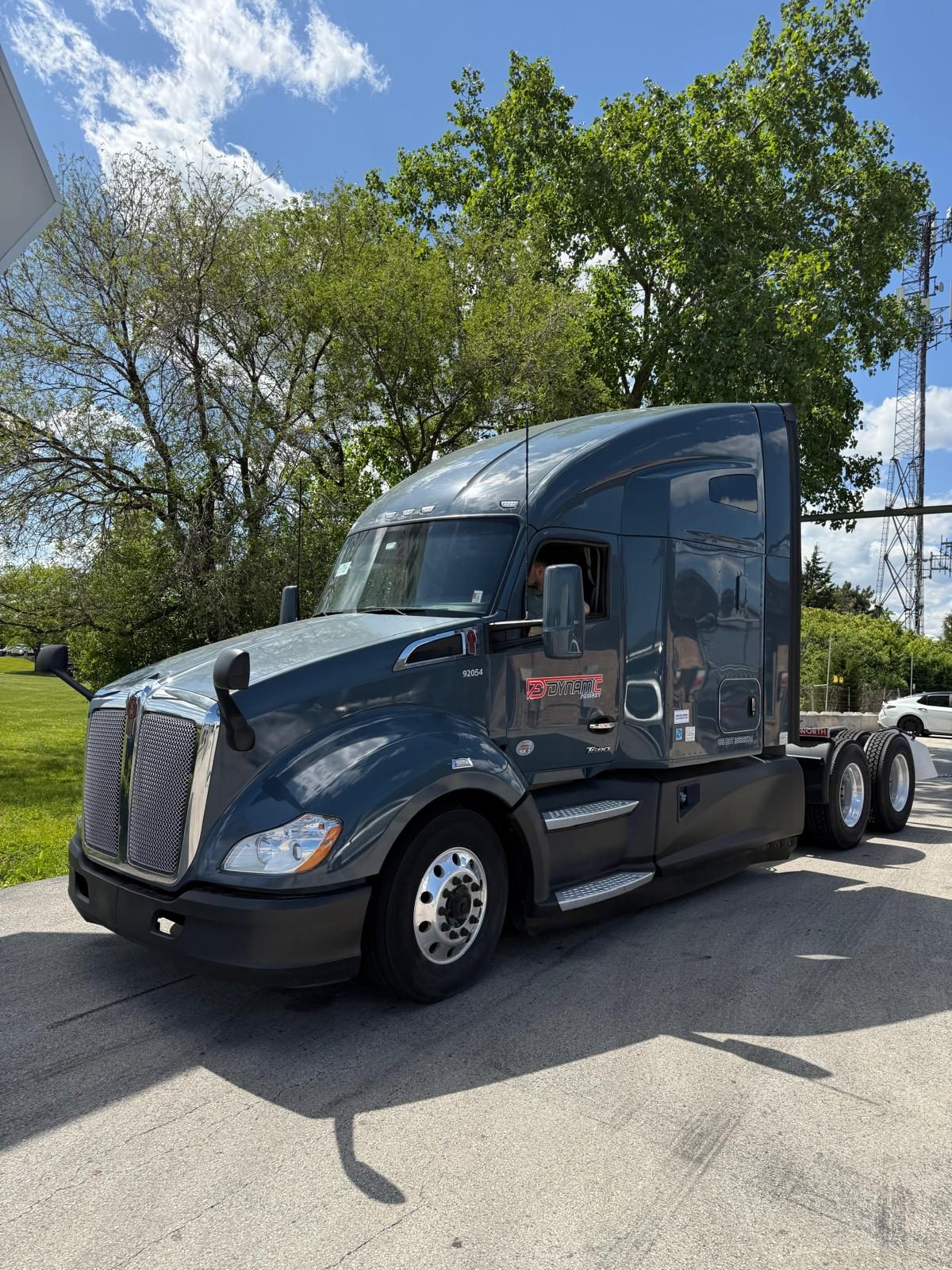
When most people think of trucking they picture an 18-wheeler rolling down the highway. But what’s behind that truck matters just as much as what’s in front of it. Two of the most common types of freight hauling are dry van and flatbed and while both offer great earning potential, they are very different jobs. Here is everything you need to know to decide which one is the right fit for you.
What is Dry Van Trucking?
Dry van is the most common type of trucking in the industry. A dry van trailer is the standard enclosed rectangular trailer you see on highways every day. It is used to haul general freight that needs to be protected from the elements — things like packaged goods, retail products, paper, non-perishable food items, and consumer goods.
Pros of Dry Van:
- Easier to load and unload — most facilities handle the freight for you
- No tarping or strapping required
- More predictable freight and routes
- Great option for newer drivers
- Typically more drop-and-hook freight available
Cons of Dry Van:
- Can sometimes feel repetitive
- Drop and hook loads require minimal physical involvement which some drivers miss
- Dock wait times can be long at busy facilities
What is Flatbed Trucking?
Flatbed trucking involves hauling freight on an open deck trailer with no sides or roof. This type of hauling is used for oversized, heavy, or awkwardly shaped cargo that cannot fit inside a standard enclosed trailer — things like steel, lumber, construction materials, heavy machinery, and industrial equipment.
Pros of Flatbed:
- More hands-on and varied work
- Generally higher pay rates due to the added skill required
- More interesting and diverse freight
- Strong demand especially in construction and industrial sectors
- Drivers gain specialized skills that make them more valuable
Cons of Flatbed:
- Requires tarping, strapping, and load securement — physical and time-consuming
- More responsibility for load safety
- Weather conditions directly affect the job
- Steeper learning curve for newer drivers
Which Pays More?
Generally speaking flatbed drivers tend to earn slightly more per mile due to the additional skills and physical labor involved. However dry van drivers often benefit from more consistent freight, more drop-and-hook opportunities, and less physical wear on the body over time. The best paying option ultimately comes down to the company you work for, your experience level, and the freight lanes you are running.
Which is Right for You?
Choose Dry Van if:
- You are newer to trucking and want to build experience
- You prefer a more predictable and consistent routine
- You want less physical labor involved with each load
- You are focused on maximizing miles and minimizing downtime
Choose Flatbed if:
- You enjoy hands-on physical work
- You want more variety in your day-to-day experience
- You are comfortable with the added responsibility of load securement
- You want to develop specialized skills that increase your earning potential
Drive Both at Dynamic Freight
At Dynamic Freight we operate both a Dry Van Division and a Flatbed Division giving our drivers the opportunity to find the right fit for their skills and goals. Whether you prefer the consistency of dry van or the challenge of flatbed we have the freight, the equipment, and the support team to help you succeed.
📞 Ready to get started? Call us today!